
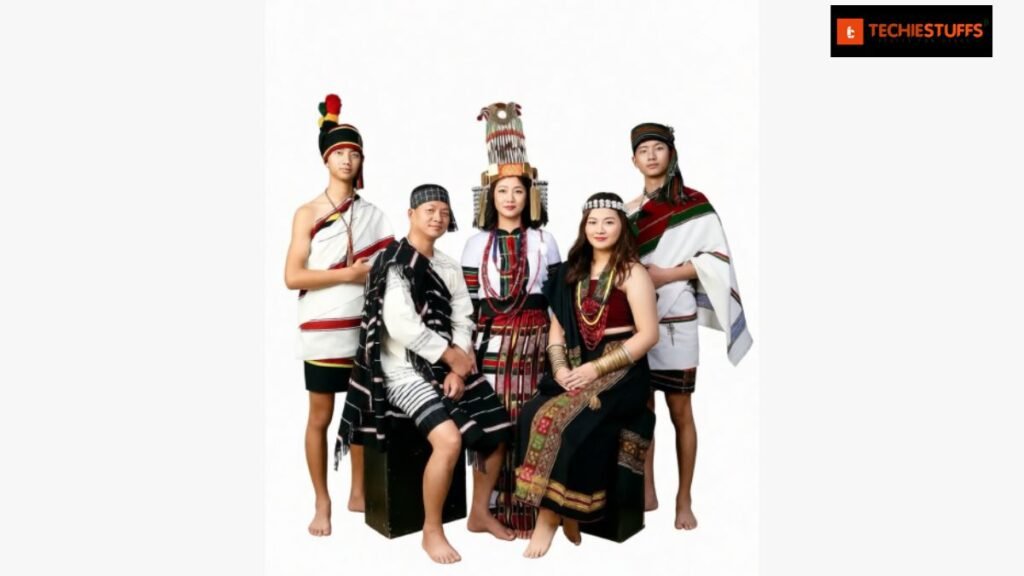
The United States is a melting pot of cultures, and its traditional clothing reflects this fascinating diversity. From Native American regalia to colonial-era attire, the styles worn throughout history tell a story of identity, culture, and social evolution. Understanding traditional clothing in the United States allows us to appreciate the blend of heritage, artistry, and cultural symbolism that has shaped modern American fashion.
Native American Traditional Clothing
Native American clothing is perhaps the most iconic representation of traditional attire in the United States. Different tribes developed unique styles using natural materials such as animal hides, feathers, and beads. Clothing often carried spiritual significance, with patterns, colors, and accessories reflecting tribal identity and status. Men typically wore breechcloths and leggings, while women wore dresses decorated with intricate beadwork. Ceremonial outfits were elaborate, often including headdresses, cloaks, and jewelry, highlighting the cultural richness of indigenous communities.
Colonial and Early American Clothing
During the colonial era, European settlers brought their traditional clothing styles to the New World. Men often wore waistcoats, breeches, and wide-brimmed hats, while women donned long dresses, aprons, and bonnets. Fabrics were usually locally produced, such as wool and linen, emphasizing practicality and durability. Clothing indicated social status, with wealthier families able to afford finer materials and more elaborate designs. These early American outfits set the foundation for evolving fashion trends and reflect the historical context of early settlements.
Clothing of the 19th Century Frontier
In the 19th century, clothing in the United States evolved to suit the rugged lifestyle of frontier life. Practicality and durability were crucial, with men wearing sturdy trousers, shirts, and leather boots. Women often wore long skirts and corsets, layered with shawls or aprons for protection during work. The influence of European styles remained, but local adaptation became important due to harsh weather and manual labor. Frontier clothing symbolizes the resilience and pioneering spirit of early Americans and highlights the balance between function and style in traditional attire.
African American Influence on Traditional Clothing
African Americans brought rich cultural influences to traditional clothing in the United States. Enslaved people adapted European styles using available materials, while incorporating elements from African heritage. Bright colors, bold patterns, and headwraps became significant cultural markers. Over time, these styles evolved into unique expressions of identity, especially in ceremonial and festive attire. African American contributions reflect resilience, creativity, and the blending of cultural traditions within American society.
Modern Interpretations of Traditional Clothing
Today, traditional clothing in the United States is celebrated in cultural festivals, historical reenactments, and fashion design. Designers often draw inspiration from Native American motifs, colonial attire, and 19th-century frontier wear. Modern interpretations blend authenticity with contemporary aesthetics, preserving cultural heritage while making it accessible to new generations. Wearing traditional clothing now serves both as a cultural homage and as a statement of pride in American history and diversity.
Conclusion
Traditional clothing in the United States is more than just fashion; it is a vivid reflection of history, culture, and identity. From indigenous regalia to colonial garments and African American contributions, these styles reveal the complex tapestry of influences that shaped American society. Preserving and celebrating these garments allows us to honor the past while inspiring future generations to appreciate the richness of cultural heritage.
Did you find this article helpful? Check out the rest of our site for more great content!
FAQs
What materials were used in Native American traditional clothing?
Native Americans used natural materials like animal hides, feathers, and beads to create durable and symbolic clothing.
How did colonial clothing reflect social status?
In colonial America, wealthier families wore finer fabrics and more elaborate designs, while commoners dressed in simpler, practical garments.
What influenced frontier clothing in the 19th century?
Practicality and local conditions influenced frontier clothing, combining European styles with durable fabrics suited for rugged lifestyles.
How did African American culture impact traditional clothing?
African Americans blended European styles with African patterns and colors, creating unique attire that expressed identity and cultural heritage.
Are traditional American clothing styles still worn today?
Yes, traditional clothing is preserved in festivals, cultural events, and modern fashion inspired by historical designs.