
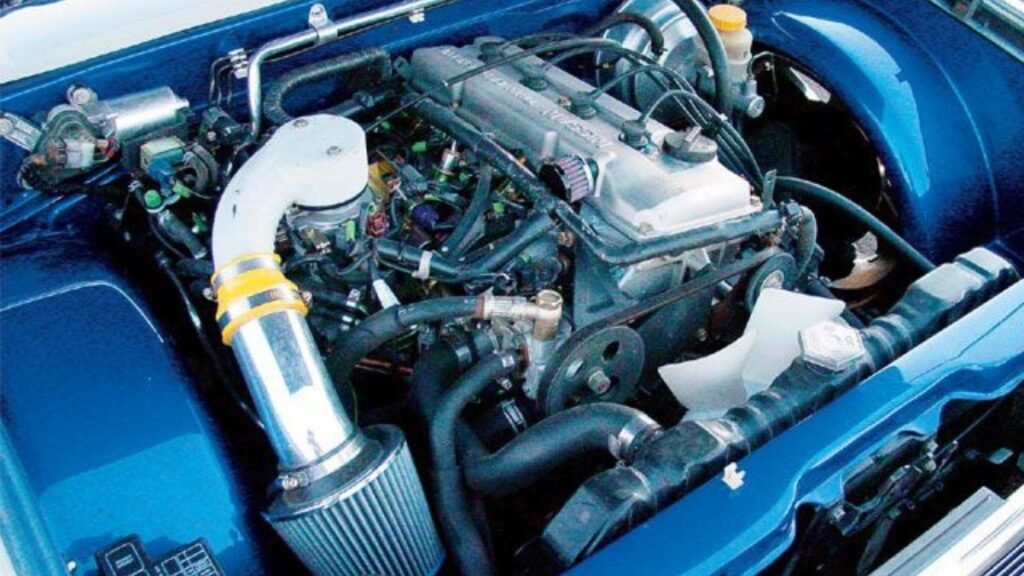
Propane-powered engines are quietly becoming a favorite in industrial, commercial, and even custom automotive projects. If you’ve come across the term Nissan K24 propane fuel, you’re probably researching an engine setup used in forklifts, generators, or specialized conversions where efficiency and durability matter more than hype. This topic can be confusing because the K24 designation is widely associated with Honda engines, yet in the propane world, “K24” often refers to industrial engine configurations adapted or paired with Nissan platforms or equipment.
This article clears the confusion and gives you a deep, practical understanding of Nissan-related K24 propane fuel systems, how they work, where they’re used, and why propane remains a smart alternative fuel choice. Whether you’re a mechanic, fleet manager, or enthusiast exploring cleaner fuel options, this guide is written in simple, expert-level English with real-world insight—not marketing fluff.
Understanding Nissan K24 Propane Fuel Systems
The phrase Nissan K24 propane fuel usually describes an industrial propane engine setup used in Nissan forklifts or equipment, rather than a standard passenger vehicle engine. In industrial contexts, engines are often labeled differently than automotive engines, and “K24” commonly refers to a 2.4-liter class industrial engine designed for continuous operation. These engines are built to run on LPG propane, offering consistent torque, low emissions, and long service life.
Nissan has a long history in the industrial engine and forklift market, where propane is preferred over gasoline or diesel due to indoor safety requirements. Propane burns cleaner, produces fewer particulates, and reduces engine oil contamination. In these applications, the K24 propane configuration is engineered for reliability over speed, making it ideal for warehouses, ports, and manufacturing plants.
Unlike passenger vehicles, these engines are tuned for steady RPMs, smooth power delivery, and minimal downtime. The fuel system includes a propane tank, regulator, vaporizer, and mixer or injection system that precisely controls fuel flow. This setup allows the engine to run efficiently even under heavy loads.
Why Propane Fuel Is Used in Nissan Industrial Engines
Propane fuel is not a trend—it’s a proven industrial solution. Nissan’s propane-powered engines gained popularity because propane delivers consistent combustion without the residue problems common in gasoline engines. In industrial environments, this translates directly into lower maintenance costs and longer engine life.
One of propane’s biggest advantages is its clean-burning nature. Because propane enters the engine as a vapor, it mixes evenly with air, leading to more complete combustion. This reduces carbon buildup on valves, pistons, and spark plugs. For Nissan K24 propane fuel systems, this means smoother operation and fewer performance drops over time.
Propane also offers predictable pricing compared to gasoline and diesel, which is a major advantage for fleet operators. Storage is safer, spills evaporate quickly, and indoor use is allowed with proper ventilation. Nissan designed many of its industrial engines to take full advantage of these benefits, making propane the fuel of choice for forklifts and stationary equipment.
Cold starts are another overlooked advantage. Propane engines typically start more reliably in cold environments because there’s no liquid fuel to vaporize. This reliability is crucial in warehouses and outdoor industrial sites where downtime equals lost money.
Performance and Efficiency of Nissan K24 Propane Engines
Performance in a Nissan K24 propane fuel setup is measured differently than in cars. The focus is not on horsepower spikes but on steady torque, fuel efficiency, and operational consistency. These engines are designed to run for hours at a time without overheating or losing power.
Propane has a higher octane rating than gasoline, which allows for smoother combustion and reduced engine knock. This characteristic makes the engine quieter and less stressed during operation. While propane engines may produce slightly less peak power than gasoline equivalents, the trade-off is a much longer service life and more predictable performance.
Fuel efficiency in propane engines is often misunderstood. Although propane contains slightly less energy per gallon than gasoline, the cleaner burn and optimized tuning often result in comparable real-world efficiency. For Nissan K24 systems, this means fewer refueling interruptions and stable operating costs.
Another performance advantage is reduced engine vibration. Propane combustion is smoother, which reduces wear on internal components such as bearings and crankshafts. Over thousands of operating hours, this difference becomes significant, especially in industrial machinery where engines rarely get a rest.
Maintenance, Reliability, and Engine Longevity
Maintenance is where Nissan K24 propane fuel systems truly shine. Because propane does not wash oil from cylinder walls like gasoline can, internal engine components stay better lubricated. This leads to slower wear and extended maintenance intervals, which is critical for industrial users.
Oil changes are still required, but oil remains cleaner for longer periods. Spark plugs and exhaust components also last longer due to reduced carbon buildup. For Nissan propane engines, this translates into lower parts replacement frequency and reduced labor costs.
Reliability is another strong point. Propane fuel systems are mechanically simpler than modern gasoline direct injection systems. With fewer sensors and less complex fuel delivery hardware, there are fewer points of failure. This simplicity makes troubleshooting easier and repairs more straightforward.
When properly maintained, a Nissan K24 propane engine can run for thousands of hours without major overhauls. This longevity is one of the reasons propane engines remain dominant in forklifts and stationary power equipment, despite advances in electric alternatives.
Applications of Nissan K24 Propane Fuel Setups
The most common application of Nissan K24 propane fuel systems is in forklifts. Warehouses, distribution centers, and manufacturing plants rely on propane forklifts because they can be used indoors without excessive emissions. Nissan forklifts equipped with propane engines are known for their durability and ease of service.
Beyond forklifts, these engines are also used in generators, pumps, and agricultural equipment. In remote areas, propane-powered generators offer a reliable power source with long shelf-life fuel storage. Nissan industrial engines adapted to propane perform well in these environments due to their consistent output and low maintenance demands.
Some automotive enthusiasts also explore propane conversions for custom builds or off-grid projects. While not common in road vehicles, propane-powered setups are attractive for controlled-use scenarios where emissions, fuel stability, and engine longevity matter more than speed.
In all these applications, the Nissan K24 propane configuration stands out as a practical, cost-effective solution designed for real-world work rather than theoretical performance.
Environmental and Cost Benefits of Propane Fuel
Environmental impact is a growing concern, and propane offers a cleaner alternative without requiring complex hybrid or electric systems. Propane produces fewer greenhouse gas emissions than gasoline and significantly fewer particulates than diesel. This makes Nissan propane engines compliant with many indoor air quality regulations.
From a cost perspective, propane often remains cheaper than gasoline over long periods, especially for commercial users. Bulk purchasing and stable supply chains help keep fuel costs predictable. For businesses using Nissan K24 propane fuel systems, this predictability simplifies budgeting and operational planning.
Propane storage is also safer than many people assume. Tanks are designed to withstand high pressure, and leaks dissipate quickly because propane is lighter than air. These safety features contribute to its widespread adoption in industrial settings.
When you combine lower emissions, reduced maintenance, and stable fuel costs, propane becomes a logical choice rather than a compromise. Nissan’s long-term investment in propane engine technology reflects this reality.
Conclusion
The Nissan K24 propane fuel setup is a proven, work-focused engine solution designed for reliability, efficiency, and long-term value. While the name can cause confusion, its real-world application in industrial equipment like forklifts and generators is well established. Propane fuel offers cleaner combustion, reduced maintenance, and consistent performance, making it ideal for demanding environments.
If you’re considering a propane-powered engine for industrial, commercial, or specialized use, understanding how Nissan’s K24-class engines operate gives you a clear advantage. This is not about trends or buzzwords—it’s about choosing a fuel and engine system that delivers dependable results day after day.
FAQs
What is Nissan K24 propane fuel used for?
It is mainly used in industrial equipment like forklifts, generators, and stationary machinery that require clean and reliable power.
Is the Nissan K24 engine the same as Honda K24?
No, in propane and industrial contexts, K24 usually refers to a 2.4-liter class engine configuration, not the Honda automotive engine.
Why do Nissan forklifts use propane fuel?
Propane burns cleaner, allows indoor operation, reduces maintenance, and offers consistent performance for long working hours.
Does propane reduce engine lifespan?
No, propane often extends engine life because it burns cleanly and causes less internal wear than gasoline.
Can a Nissan propane engine be converted to gasoline?
Some conversions are possible, but they require significant modifications and are not always cost-effective or recommended.