
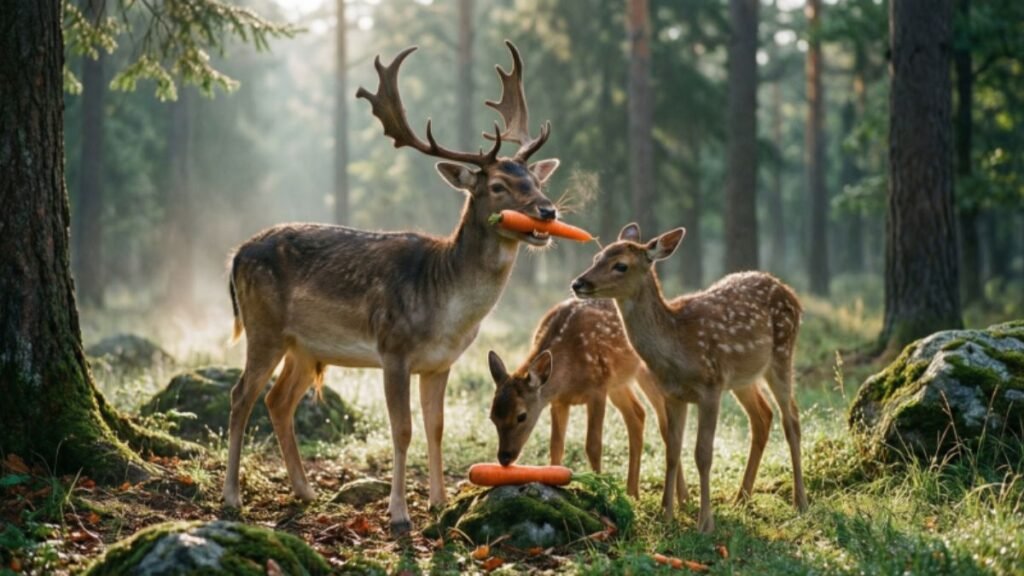
Wildlife curiosity often starts with a simple question, especially when people see deer wandering near gardens, farms, or roadsides. One of the most commonly searched questions online is do deers eat carrots, and the answer is more layered than a simple yes or no. While carrots are familiar, colorful, and often associated with animals, deer nutrition is a complex topic shaped by biology, seasons, and survival instincts.
This in-depth guide explores what deer actually eat in the wild, whether carrots are safe or beneficial, and how human feeding habits can impact deer health. Backed by wildlife science and practical observation, this article delivers clear, trustworthy information designed to outperform surface-level content and provide real value to readers.
Understanding the Natural Deer Diet
How Deer Eat in the Wild
Deer are herbivores with highly adaptable feeding habits. Their diet changes depending on habitat, climate, and seasonal availability. In forests, grasslands, and even suburban areas, deer rely on natural vegetation to meet their nutritional needs.
Their digestive systems are designed to process fibrous plant matter slowly. This allows them to extract nutrients from leaves, stems, and bark, but it also means sudden dietary changes can cause digestive stress.
Seasonal Feeding Patterns
In spring and summer, deer prefer soft, nutrient-rich plants. During fall, they focus on energy-dense foods to prepare for winter. When winter arrives, food scarcity forces deer to rely on woody plants and stored body fat.
This seasonal rhythm plays a key role in determining whether carrots or other human foods are appropriate or harmful.
Unlock more ideas and expert tips—explore more content crafted just for you.
Do Deers Eat Carrots in Nature or Only Near Humans?
The question do deers eat carrots usually arises because people have seen deer nibbling on garden vegetables or leftover produce. Carrots are not part of a deer’s natural ecosystem, but deer are opportunistic feeders.
If carrots are accessible, especially in gardens or backyards, deer may eat them out of curiosity or hunger. This does not mean carrots are nutritionally ideal or necessary for deer survival.
In natural habitats without human interference, deer thrive without ever encountering carrots.
Nutritional Value of Carrots for Deer
What Carrots Contain
Carrots are rich in:
- Natural sugars
- Beta-carotene
- Fiber
- Water content
While these nutrients are healthy for humans, deer require a balanced intake of proteins, minerals, and complex fibers that carrots alone cannot provide.
Are Carrots Beneficial or Just Attractive?
Carrots are sweet and crunchy, which makes them appealing. However, their high sugar content can disrupt a deer’s digestive balance if consumed frequently or in large amounts. Deer stomachs are not designed for concentrated sugars commonly found in cultivated vegetables.
So while deer may enjoy carrots occasionally, they offer limited long-term nutritional benefit.
Potential Risks of Feeding Carrots to Deer
Digestive Problems
A sudden introduction of carrots into a deer’s diet can cause bloating, diarrhea, or fermentation issues in the rumen. This is especially dangerous in winter when deer metabolism slows down.
Dependency on Humans
When people regularly feed deer carrots, animals may lose their natural foraging instincts. This can lead to:
- Increased road accidents
- Overpopulation in urban areas
- Aggressive behavior near humans
Wildlife experts strongly discourage intentional feeding for this reason.
Do Deers Eat Carrots During Winter?
Food scarcity during winter often leads people to leave carrots outside for deer, believing they are helping. While deer may eat them, this practice can do more harm than good.
In cold months, deer bodies adjust to digest woody browse slowly. Introducing carrots during this period can shock their digestive system, potentially leading to starvation rather than nourishment.
So while do deers eat carrots is commonly asked in winter, the better question is whether they should—and the answer is generally no.
What Deer Prefer Over Carrots
Natural Foods Deer Thrive On
Deer naturally prefer:
- Acorns and nuts
- Leaves and twigs
- Native grasses
- Shrubs and woody plants
- Wild fruits and berries
These foods provide balanced nutrition and align with their digestive biology.
Garden Plants Deer Love
In suburban areas, deer often target hostas, tulips, beans, and lettuce. This behavior is driven by accessibility rather than nutritional superiority.
Ethical and Legal Considerations
Is Feeding Deer Legal?
In many regions, feeding wild deer is restricted or illegal due to public safety and conservation concerns. Local wildlife authorities often warn against feeding because it alters migration patterns and increases disease transmission.
Ethical Wildlife Interaction
Ethical wildlife observation means allowing animals to behave naturally. Feeding deer carrots, even with good intentions, interferes with ecosystems and can cause long-term harm.
Human Myths About Deer and Carrots
The Cartoon Influence
Much like rabbits, deer are often portrayed in cartoons as carrot-loving animals. This misconception has shaped public belief but lacks biological accuracy.
Reality vs Popular Belief
The repeated question do deers eat carrots exists largely because of visual association rather than scientific evidence. In reality, deer diets are far more complex and specialized.
Expert Advice on Feeding Deer
Wildlife biologists recommend:
- Never hand-feeding deer
- Preserving natural habitats
- Planting native vegetation instead of offering food scraps
These practices support deer health while maintaining ecological balance.
The Bigger Picture of Deer Conservation
Feeding deer carrots may feel compassionate, but conservation science shows that minimal human interference leads to healthier wildlife populations. Education, habitat preservation, and responsible land use are far more effective than food handouts.
Understanding animal behavior helps humans coexist safely with wildlife without creating dependency or ecological imbalance.
Conclusion
So, do deers eat carrots? Yes, deer may eat carrots if they find them, but that does not mean carrots are good, necessary, or safe for them. Carrots are not part of a deer’s natural diet and can cause digestive issues, dependency, and behavioral changes when fed regularly.
The most responsible approach is to let deer forage naturally and avoid feeding them human-grown foods. By respecting wildlife boundaries and understanding deer nutrition, we contribute to healthier ecosystems and safer human-animal interactions.
This knowledge-driven approach ensures deer remain wild, resilient, and thriving—exactly as nature intended.
Did you find this article helpful? Check out the rest of our site for more great content!
Frequently Asked Questions
Do deer eat carrots raw or cooked?
Deer may eat raw carrots if available, but cooked carrots are unnatural and should never be offered to wildlife.
Can carrots harm deer health?
Yes, excessive carrot consumption can disrupt digestion and cause serious health issues, especially in winter.
Why do deer come into gardens?
Deer enter gardens due to habitat loss, food availability, and reduced fear of humans in suburban areas.
Are carrots better than bread for deer?
Neither is suitable. Bread and carrots both lack proper nutrition and can harm deer digestive systems.
What should I do if deer visit my yard?
Avoid feeding them and consider deer-resistant plants or fencing to reduce attraction.