
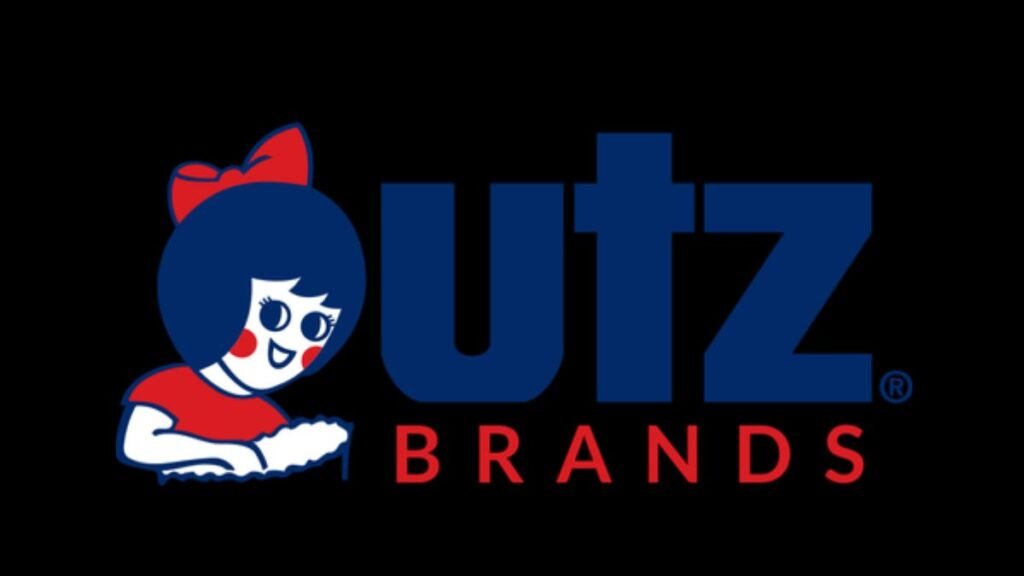
When people search for a “chip brand little girl logo,” they are usually thinking about that familiar snack packaging featuring a smiling young girl. Logos like this are more than simple artwork. They are powerful branding tools that connect with customers on an emotional level. In the snack food industry, visual identity plays a huge role in recognition, trust, and long-term success. This article explores the history, meaning, and marketing strategy behind the chip brand little girl logo and why it continues to stand out in crowded supermarket shelves.
The Most Recognizable Chip Brand Little Girl Logo
One of the most recognized examples of a chip brand little girl logo is found on Lay’s products in certain international markets, as well as on regional snack brands that use a young girl mascot to build familiarity. While not all Lay’s packaging features a girl, many local chip companies across Asia and Europe use a smiling child illustration as their primary brand identity. These logos often show a cheerful girl holding chips or wearing traditional clothing, symbolizing freshness and homemade taste. The image creates an emotional link between family values and snack enjoyment. Over time, the character becomes the “face” of the brand.
Why Brands Use a Little Girl in Their Logo
A little girl logo communicates innocence, warmth, and approachability. In food branding, especially for snacks like potato chips, companies aim to create a sense of comfort and nostalgia. A young character suggests homemade recipes, care, and trust. This strategy is often used in FMCG marketing to appeal to families and children at the same time. The character becomes a visual shortcut for quality and friendliness. Instead of relying only on text, the brand uses emotional branding to connect instantly with buyers.
The Psychology Behind Mascot Branding
Mascot logos, including a chip brand little girl logo, are built on strong consumer psychology principles. People naturally connect with faces more than abstract symbols. A smiling face triggers positive emotional responses and builds brand recall. In competitive snack aisles filled with bold colors and flashy typography, a friendly character helps products stand out. This technique improves brand recognition and customer loyalty. Over time, shoppers may feel attached to the character, which strengthens repeat purchases and long-term trust.
Evolution of the Logo Over Time
Many chip brands that use a little girl logo update the design to stay modern while keeping the core identity intact. Earlier versions often featured hand-drawn illustrations with traditional clothing details. Today’s designs are usually cleaner, more digital, and more vibrant in color. The evolution reflects changing design trends and consumer preferences. However, brands rarely remove the character completely because it carries brand heritage. Maintaining visual consistency ensures customers instantly recognize the product, even if the packaging style changes.
How the Logo Impacts Sales and Market Position
A strong chip brand little girl logo can directly influence purchasing decisions. In retail marketing, packaging acts as a silent salesperson. When customers see a familiar and friendly logo, they feel more confident trying or repurchasing the product. This visual branding advantage increases shelf appeal and strengthens competitive positioning. In markets where local chip brands compete against global giants, a culturally relatable mascot often creates stronger emotional loyalty. The logo becomes a key part of the brand’s identity and marketing strategy.
Cultural Influence and Regional Identity
In many countries, snack brands design their little girl mascot to reflect local culture, clothing, and traditions. This makes the product feel homegrown rather than corporate. Cultural branding increases trust and community attachment. For example, in parts of South Asia and Eastern Europe, traditional dress in logo design enhances authenticity. By aligning with local identity, brands strengthen their market presence and emotional connection. This approach supports brand storytelling and builds long-term recognition.
Conclusion
The chip brand little girl logo is more than a cute illustration. It represents trust, tradition, emotional marketing, and smart brand strategy. From building instant recognition to strengthening customer loyalty, this type of mascot plays a powerful role in snack industry branding. As packaging trends evolve, companies may modernize their designs, but the emotional core of the logo remains the same. In a competitive food market, a friendly and memorable character can make all the difference between being noticed and being ignored.
FAQs
What is the chip brand little girl logo?
It refers to snack or potato chip brands that use a young girl mascot in their packaging design for brand recognition.
Why do chip brands use a little girl in their logo?
Brands use this design to create emotional connection, trust, and a family-friendly image.
Is the little girl logo common in global chip brands?
It is more common in regional and local chip brands, though some international brands use similar mascot strategies.
Does a mascot logo increase sales?
Yes, mascot branding improves brand recall, emotional engagement, and customer loyalty, which can support sales growth.
Can the logo design change over time?
Yes, brands often modernize the artwork while keeping the core character to maintain recognition.