
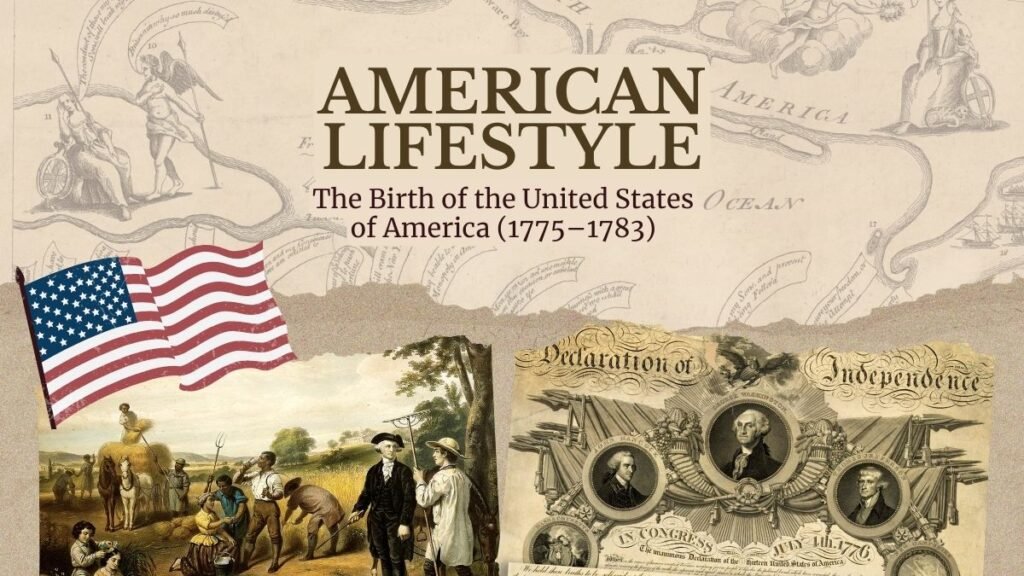
The American lifestyle is a rich tapestry woven from freedom, innovation, and cultural diversity. It is shaped not only by the nation’s history but also by the rapid pace of modern life. People across the United States experience life differently depending on their region, community, and personal choices. However, certain values, such as independence, ambition, and opportunity, are deeply ingrained in the collective mindset. From urban centers to rural towns, the lifestyle reflects a mix of work, leisure, and family priorities, creating a unique rhythm that defines daily American life.
Work and Career Culture
Work plays a central role in the American lifestyle, often reflecting the cultural emphasis on ambition and personal achievement. Many Americans value their careers and invest considerable time and effort into professional growth. Unlike some countries with rigid work-life boundaries, Americans often strive to balance productivity with personal fulfillment. The rise of remote work, flexible hours, and gig economy jobs has added new layers to the traditional 9-to-5 routine. Despite differences in work culture across regions, the drive for success and self-reliance is a unifying theme.
Family and Social Life
Family remains a cornerstone of American life, though its structure has evolved over time. Many households consist of nuclear families, while single-parent homes and blended families are increasingly common. Social life extends beyond family, with friendships and community involvement playing significant roles. Americans often spend weekends engaging in recreational activities, attending social events, or exploring hobbies. The culture of community volunteering and civic engagement also reflects the American value of contributing to society. This dynamic mix of family and social interaction shapes a lifestyle that is both connected and independent.
Food and Dining Habits
Food is an essential part of American culture, reflecting the country’s diversity and regional traditions. From fast food chains to gourmet dining, Americans enjoy a wide spectrum of culinary experiences. Regional dishes, such as Southern barbecue, New England seafood, and Tex-Mex cuisine, highlight local heritage. Home-cooked meals remain popular, yet dining out is an integral part of social life. The growing trend toward healthy eating, organic foods, and plant-based diets shows that Americans are becoming more health-conscious while still valuing convenience and flavor.
Entertainment and Leisure
Entertainment is a major component of the American lifestyle, encompassing movies, music, sports, and outdoor activities. The United States is home to globally influential entertainment hubs, such as Hollywood and Broadway. Sports, including football, basketball, and baseball, bring communities together and offer a sense of local pride. Americans also enjoy diverse hobbies, from hiking and camping to gaming and digital media consumption. This culture of leisure reflects a balance between relaxation, creativity, and social engagement, making entertainment a vital part of everyday life.
Travel and Adventure
Travel plays a unique role in shaping the American lifestyle, reflecting both curiosity and freedom of movement. Domestic travel across states allows people to experience diverse landscapes, cultures, and traditions. Road trips remain a quintessential American experience, while air travel connects cities and regions rapidly. Adventure tourism, including hiking, skiing, and water sports, appeals to thrill-seekers and nature enthusiasts alike. Travel is not just a leisure activity; it also contributes to personal growth and cultural awareness, enriching the broader lifestyle experience.
Health and Fitness
Health consciousness is an increasingly important aspect of the American lifestyle. Many Americans engage in regular exercise, gym workouts, and outdoor activities to maintain physical wellness. Fitness trends, such as yoga, running, and CrossFit, have gained widespread popularity. Nutrition, preventive healthcare, and mental wellness are integral components of daily routines. Despite challenges such as busy schedules and processed food consumption, there is a growing focus on balancing physical activity, proper diet, and mental health to support a sustainable lifestyle.
Technology and Digital Life
Technology has dramatically shaped the American lifestyle, influencing communication, work, and entertainment. Smartphones, social media, and smart home devices are now essential to daily life. Online shopping, streaming services, and virtual communities have transformed how Americans interact and consume content. The digital world offers convenience and connection, yet it also introduces challenges, including screen fatigue and privacy concerns. Integrating technology responsibly is a hallmark of modern American life, reflecting innovation and adaptability.
Education and Lifelong Learning
Education is highly valued in the American lifestyle, shaping both personal and professional development. Public and private institutions offer a range of learning opportunities, emphasizing critical thinking, creativity, and innovation. Higher education, vocational training, and online courses allow for continuous skill development. Lifelong learning is embraced by many Americans to remain competitive in a rapidly changing job market. This commitment to education reflects a broader cultural belief in self-improvement and the pursuit of knowledge.
Housing and Living Spaces
Housing choices are an important reflection of the American lifestyle, influenced by location, family size, and economic factors. Many Americans live in single-family homes, while urban centers offer apartments and condos. Suburban living is associated with community-oriented lifestyles, whereas city living emphasizes convenience and access to cultural amenities. Interior design and home personalization play a role in creating comfortable and functional spaces. Housing is more than shelter—it represents independence, identity, and personal expression in American culture.
Transportation and Commuting
Transportation significantly shapes daily life in the United States, with cars being the primary mode of travel in most areas. Urban centers often provide public transit, while rural regions rely heavily on personal vehicles. Commuting patterns influence work-life balance, social activities, and environmental impact. The rise of electric vehicles, ride-sharing apps, and cycling infrastructure reflects changing priorities toward sustainability and efficiency. Transportation choices are both practical and symbolic, reflecting freedom and mobility as central aspects of the American lifestyle.
Culture and Traditions
American culture is a dynamic blend of indigenous roots, immigrant influences, and evolving social norms. Holidays such as Thanksgiving, Independence Day, and Halloween are widely celebrated, combining family gatherings with community festivities. Music, literature, and art reflect the nation’s diversity, creativity, and social consciousness. Traditions vary regionally, yet the underlying theme of celebrating freedom, identity, and community remains consistent. Cultural engagement is both a reflection of heritage and an avenue for personal expression in the American lifestyle.
Conclusion
The American lifestyle is a unique combination of freedom, ambition, diversity, and innovation. It balances work, leisure, family, and personal growth while embracing modern technology, cultural richness, and health consciousness. From bustling cities to serene countryside, the American way of life adapts to personal choices and regional influences. Understanding this lifestyle offers insights into the values, priorities, and aspirations that shape life across the United States. It is a dynamic, evolving culture that celebrates individuality while fostering connection and opportunity.
FAQs About American Lifestyle
What defines the American lifestyle?
The American lifestyle is defined by freedom, cultural diversity, work-life balance, and a focus on personal growth and opportunity.
How important is work in American culture?
Work is central, reflecting ambition and self-reliance, though flexible schedules and remote work are increasingly common.
What are common leisure activities in the US?
Americans enjoy sports, outdoor activities, entertainment, travel, and digital media as part of their leisure.
How do Americans approach health and fitness?
Many Americans engage in exercise, healthy eating, and mental wellness practices to maintain a balanced lifestyle.
What role does technology play in daily life?
Technology influences communication, work, shopping, and entertainment, shaping convenience and connectivity in daily life.