
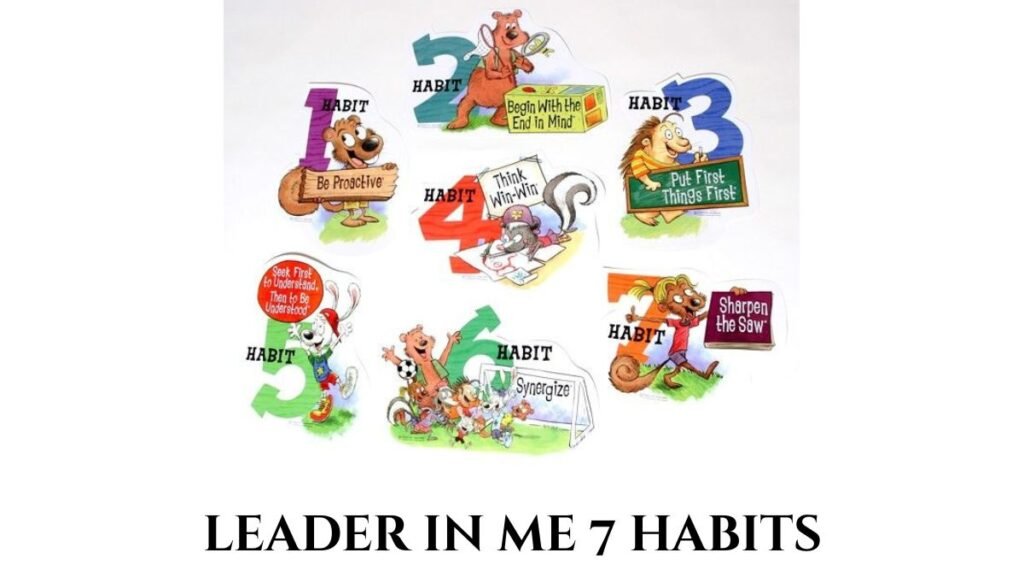
In today’s fast-paced world, developing leadership and personal growth skills is more important than ever. Many programs claim to offer these skills, but few are as structured and effective as the Leader in Me 7 Habits. Rooted in timeless principles, this framework not only helps students succeed academically but also fosters strong character, self-discipline, and meaningful relationships. Whether you are an educator, parent, or professional, understanding these seven habits can transform your approach to personal and professional life.
Understanding the Leader in Me 7 Habits
The Leader in Me 7 Habits is based on Stephen Covey’s renowned “7 Habits of Highly Effective People,” adapted for educational and personal growth settings. Each habit represents a step toward becoming a proactive, responsible, and capable individual. By teaching these habits, schools and organizations empower students and team members to take ownership of their learning and actions. The framework emphasizes self-leadership, empathy, and teamwork, helping individuals navigate challenges with confidence and clarity.
Habit 1 – Be Proactive
Being proactive means taking responsibility for your own actions rather than blaming external circumstances. It encourages individuals to recognize their ability to make choices and influence outcomes. In classrooms, students who adopt this habit learn to anticipate problems and find solutions before issues escalate. For adults, it fosters accountability and a solution-oriented mindset. Developing proactivity requires self-awareness and consistent practice, but the rewards include higher productivity, improved relationships, and increased self-confidence.
Habit 2 – Begin with the End in Mind
This habit focuses on vision and goal-setting, encouraging individuals to define what they want to achieve before taking action. By imagining the desired outcome, people can align their daily decisions with long-term objectives. In educational settings, students plan projects and personal goals, while professionals apply this habit to career development and strategic planning. The practice of beginning with the end in mind cultivates purpose-driven behavior and ensures that efforts contribute to meaningful results rather than random activities.
Habit 3 – Put First Things First
Prioritization is key to effective leadership, and Habit 3 teaches the importance of focusing on high-impact activities. Rather than reacting to urgent but less important tasks, individuals learn to schedule their time around what truly matters. This habit combines time management with self-discipline, helping students and professionals avoid distractions and complete essential tasks efficiently. Practicing this habit consistently leads to reduced stress, greater achievements, and a clear sense of accomplishment.
Don’t stop here—take a look at what else we’ve got for you!
Habit 4 – Think Win-Win
Thinking win-win fosters collaboration and mutual benefit in relationships. Instead of competing or seeking selfish gains, this habit promotes solutions where all parties succeed. Students applying this habit develop social skills and empathy, while adults can use it to negotiate effectively in work and personal relationships. Win-win thinking also encourages a positive mindset, reducing conflicts and creating environments where trust and cooperation thrive. Learning this habit helps individuals value others while maintaining their own principles.
Habit 5 – Seek First to Understand, Then to Be Understood
Effective communication begins with listening. Habit 5 emphasizes the importance of understanding others’ perspectives before expressing your own ideas. This habit nurtures empathy, patience, and respect, which are essential for building strong relationships. In classrooms, students become better collaborators and conflict resolvers. In professional life, leaders who practice this habit can make more informed decisions and inspire loyalty. By focusing on understanding first, misunderstandings decrease and connections strengthen.
Habit 6 – Synergize
Synergy occurs when individuals combine their strengths to achieve results greater than what each could accomplish alone. Habit 6 teaches teamwork, creativity, and openness to different perspectives. Students who embrace synergy work collaboratively on projects, leveraging diverse talents for better outcomes. Adults in workplaces or community settings can innovate and solve complex problems more effectively by applying this principle. Synergizing also strengthens communication skills, adaptability, and a sense of shared purpose, fostering environments where collaboration drives success.
Habit 7 – Sharpen the Saw
The final habit focuses on self-renewal and continuous growth. “Sharpening the saw” means regularly investing in physical, mental, emotional, and spiritual well-being. Individuals who practice this habit avoid burnout and maintain peak performance over time. For students, this includes balancing academics, hobbies, and rest. For adults, it involves personal development, health routines, and reflective practices. Habit 7 reinforces all other habits, ensuring sustainability and lifelong growth by emphasizing balance, self-care, and resilience.
Why the Leader in Me 7 Habits Works
The Leader in Me 7 Habits is effective because it combines universal principles with practical application. Unlike programs that focus solely on academic performance, it addresses emotional intelligence, leadership, and character building. It creates environments where learners and employees are motivated, responsible, and engaged. By integrating these habits into daily routines, individuals develop critical thinking, problem-solving skills, and a positive mindset. The program’s structured approach ensures that principles are internalized rather than superficially followed, creating lasting impact in life and work.
Implementing the Habits in Daily Life
Integrating the Leader in Me 7 Habits into everyday life starts with small, consistent steps. Begin by reflecting on which habit is most needed in your current situation. Encourage family members, students, or colleagues to set goals aligned with these principles. Regular discussions, reminders, and practice help reinforce habits over time. Celebrating successes, no matter how small, builds motivation and strengthens commitment. By making these habits a natural part of daily routines, individuals experience improved relationships, productivity, and personal satisfaction.
Conclusion
The Leader in Me 7 Habits is more than just a leadership program—it is a holistic framework for personal growth and success. By embracing proactivity, goal-setting, prioritization, collaboration, communication, teamwork, and self-renewal, individuals can achieve their full potential. Whether in schools, workplaces, or personal life, these habits create a foundation for responsibility, empathy, and lifelong learning. Adopting these principles consistently can transform not only individual lives but also communities, fostering environments where everyone can thrive.
FAQs
What is the Leader in Me 7 Habits?
It is a personal and educational growth program based on seven habits that promote leadership, responsibility, and success.
How can students benefit from the program?
Students develop self-discipline, goal-setting skills, teamwork, and emotional intelligence through practical habit application.
Can adults use the 7 habits?
Yes, adults can apply these habits in workplaces, personal life, and community settings to enhance leadership and productivity.
Which habit focuses on teamwork?
Habit 6, Synergize, emphasizes collaboration and combining strengths to achieve greater results.
How often should the habits be practiced?
Daily practice and reflection help internalize the habits, making them a natural part of life for lasting growth.