
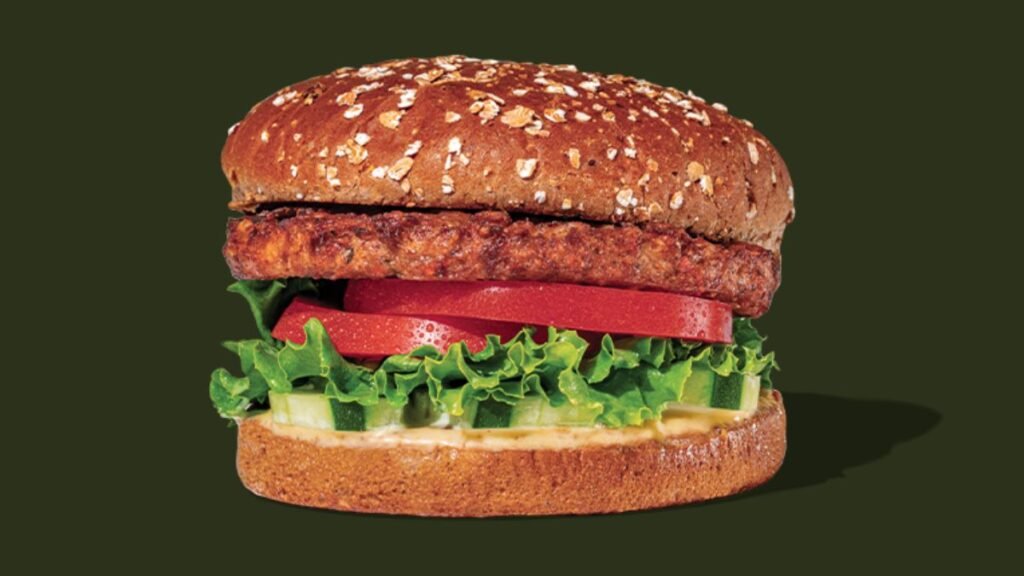
Fast food no longer means blind eating. Today’s customers want transparency, balance, and control over what goes on their plates. Habit Burger has built a strong reputation for flame-grilled flavor, but many people still wonder how its meals fit into a healthier lifestyle. This guide breaks down what actually matters when you look beyond the menu boards and promotional photos. You’ll learn how ingredients, cooking methods, and portion sizes affect your daily intake, without confusing jargon or exaggerated claims. Everything here is written to help real people make smarter, confident food choices.
Understanding Calories and Portion Sizes
Calories are the first thing most people check, but context matters just as much as numbers. A flame-grilled burger naturally carries more calories than a salad, yet those calories come from protein, fats, and carbohydrates that serve different purposes in the body. When reviewing habit burger nutrition, portion size plays a major role because even quality ingredients can add up quickly. Burgers, fries, and shakes are designed to satisfy, not to be light snacks. Understanding how a single meal fits into your daily energy needs is far more useful than focusing on one item alone. Moderation and awareness turn occasional indulgence into a manageable choice.
Protein Quality and Its Role in Satiety
Protein is one of the strongest advantages of flame-grilled meals. Beef, chicken, and plant-based patties provide amino acids that help maintain muscle and keep hunger away longer. From a nutritional perspective, habit burger nutrition stands out because grilling allows protein to shine without excessive breading or deep frying. This cooking method preserves flavor while avoiding unnecessary oils. A protein-rich meal can support active lifestyles and help prevent overeating later in the day. Choosing grilled options over fried ones can make a noticeable difference without sacrificing taste.
Fats, Oils, and Cooking Methods
Not all fats are equal, and how food is prepared matters as much as what ingredients are used. Flame grilling allows excess fat to drip away, which can slightly reduce overall fat content compared to pan-fried alternatives. When people examine habit burger nutrition closely, they often find that the fat profile depends heavily on toppings like cheese and sauces. These extras add richness but also increase saturated fat and sodium. Being mindful of sauces and add-ons can help balance flavor with nutritional goals. Small adjustments can turn a heavy meal into a more reasonable one.
Carbohydrates, Buns, and Alternatives
Carbohydrates often get blamed unfairly, yet they remain an essential energy source. Burger buns, fries, and shakes contribute most of the carbs in a typical meal. Looking at habit burger nutrition through this lens helps explain why some meals feel heavier than others. White buns digest quickly, while alternatives like lettuce wraps reduce carb intake significantly. Fries are satisfying but calorie-dense due to their starch and oil combination. Balancing carbs with protein and fiber leads to steadier energy rather than spikes and crashes.
Expand your knowledge and check out more posts on our blog!
Sodium, Flavor, and Hidden Additions
Sodium is the silent factor many people overlook. It enhances flavor and preserves texture, but excess intake can affect blood pressure for some individuals. In discussions about habit burger nutrition, sodium often becomes the deciding factor for health-conscious diners. Sauces, cheeses, and seasoned meats all contribute to daily salt intake. Drinking water and pairing meals with fresh sides can help offset higher sodium levels. Awareness rather than avoidance is the key to managing this nutrient wisely.
Making Smarter Choices Without Sacrificing Taste
Eating well doesn’t mean giving up enjoyment. The beauty of understanding habit burger nutrition is realizing you have control without losing flavor. Grilled proteins, lighter toppings, and mindful portions allow you to enjoy a satisfying meal while staying aligned with your goals. Fast food can fit into a balanced lifestyle when approached with intention rather than impulse. Knowledge transforms dining from guilt-driven to choice-driven, which is ultimately more sustainable.
Conclusion
Fast-casual dining sits at the intersection of convenience and conscious eating. Habit Burger offers bold flavors that can still align with thoughtful nutrition when you understand what goes into each meal. By paying attention to calories, protein quality, fats, carbohydrates, and sodium, you gain the ability to customize your experience. The goal isn’t perfection but consistency and awareness. When you know what you’re eating, every bite feels more intentional and satisfying.
FAQs
Is Habit Burger considered healthier than typical fast food?
It can be, especially due to flame-grilling and customizable options, but choices and portions still matter.
Are grilled items always better than fried ones?
Generally yes, because grilling uses less added oil and preserves protein quality.
Can Habit Burger fit into a weight-loss plan?
Yes, when meals are balanced, portions are managed, and high-calorie extras are limited.
Do sauces significantly change the nutrition of a meal?
Absolutely. Sauces can add hidden calories, fat, and sodium very quickly.
Is it okay to eat at Habit Burger regularly?
Occasional visits fit best into a balanced diet, paired with mindful selections and overall healthy habits.